For Prospective Students

Thinking about graduate school in clinical psychology? Here's what you need to know about our program and my lab.

Welcome

I'm genuinely glad you're considering graduate school in clinical psychology, and I appreciate your interest in our program. Graduate training is one of the most meaningful investments you can make, and choosing the right mentor and lab environment is one of the most important parts of that decision.

Our lab is driven by a simple but urgent reality: Mississippi has some of the lowest access to mental health care in the country, with only about 12 licensed psychologists per 100,000 people, compared to a national average of nearly 34. We are passionate about extending quality mental health care to those who need it most, particularly individuals with serious mental illnesses in rural communities who often have the greatest need and the fewest resources. Everything we do, from our research to our training to our clinical work, is shaped by that mission.

In my lab, students get hands-on experience with research from day one. My students have co-authored publications, presented at national conferences, received their own grant funding, and gone on to positions in VA medical centers, research institutions, and clinical settings across the country. I'm invested in your success not just as a trainee, but as a developing scientist and clinician.

I hope the information below is helpful, and please don't hesitate to reach out with questions.


Contact Dr. Nadorff
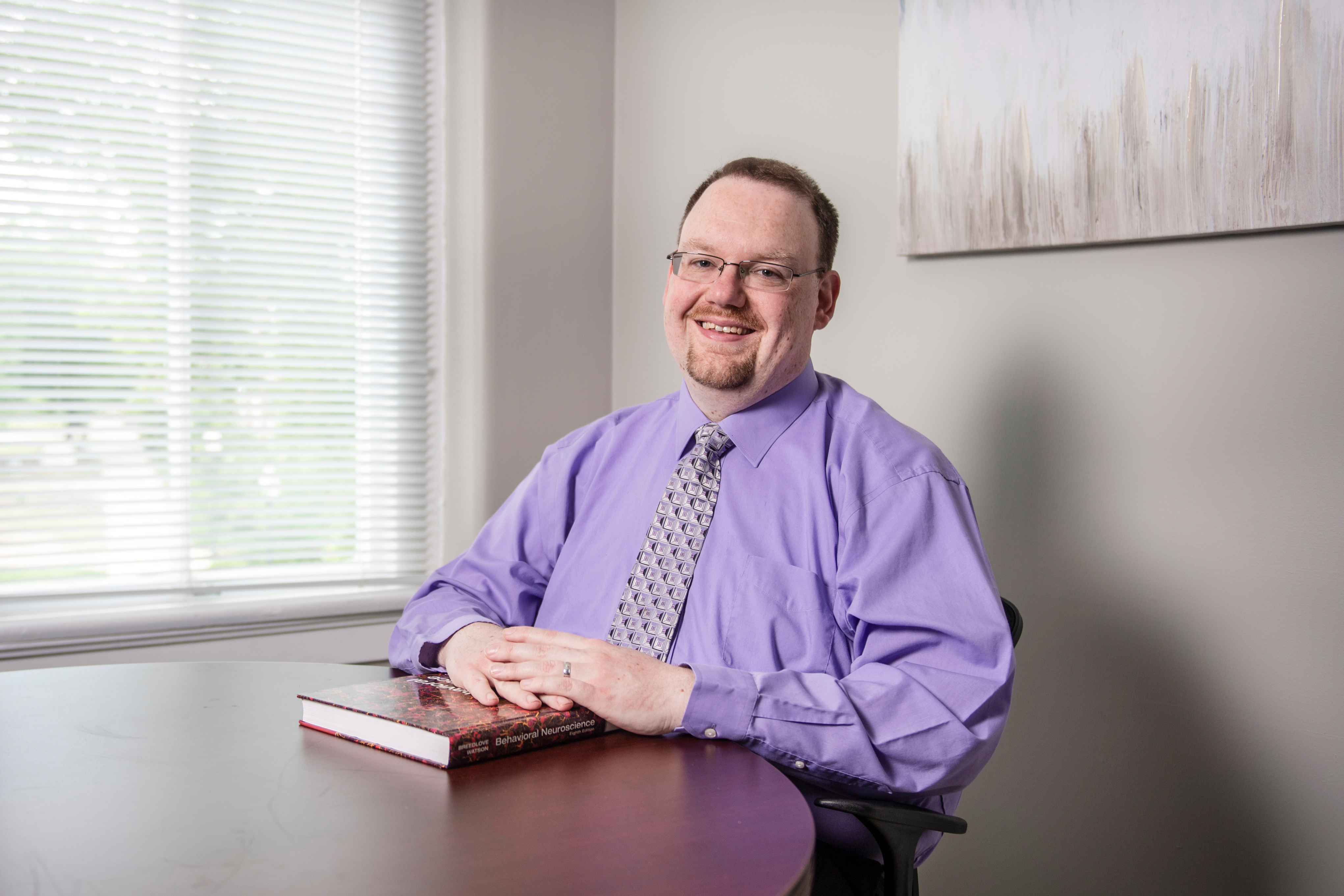
Dr. Michael R. Nadorff

Dr. Nadorff, Professor of Psychology, Mississippi State University

12 Licensed psychologists per 100,000 people in Mississippi, vs. 34 nationally. Our lab exists to change that.

MSU Clinical Psychology Ph.D. Program

Program Highlights

  • APA-accredited Clinical Psychology doctoral program
  • Boulder model (scientist-practitioner) training philosophy
  • Strong research mentorship and lab culture
  • On-campus clinical training through MSU Behavioral Health and MSU Psychology Clinic
  • External practicum placements across Mississippi
  • Support for APPIC internship match process
  • Competitive graduate assistantships with stipend and tuition waiver
  • Located in Starkville, MS: a college-town environment with a lower cost of living

Typical Timeline

  • Years 1-2: Core coursework, research involvement, first practicum placements
  • Years 2-3: Master's thesis (for students entering without an M.S.)
  • Years 3-4: Advanced coursework, dissertation proposal, external practicum
  • Years 4-5: Dissertation completion, predoctoral internship application
  • Years 5-6: APA-accredited predoctoral internship (full year, paid)
  • After Internship: Degree conferral and licensure

Life in the Lab

Students who join my lab can expect to be actively involved in research across all stages, from study design and data collection to analysis, manuscript writing, and conference presentations. I supervise both master's theses and dissertations, and have a strong track record of helping students publish their work. The lab has been continuously federally funded since 2013, which means real research infrastructure and real opportunities.

Sleep, suicide, and aging will always be our sweet spot, but the lab has expanded into rural mental health, telehealth and technology-aided therapy, substance use and prevention, suicide gatekeeper trainings, and mental health awareness training. I work with each student to find a focus that aligns with their interests and career goals.

I love building things: our PhD program, the MSU Behavioral Health clinic, and our growing lab. I'm very good at making connections and creating opportunities for my students. We meet weekly as a full lab and individually, and I'm genuinely invested in helping you get where you want to go.


What I Look For in Applicants

  • Genuine passion for improving mental health, especially in underserved communities
  • Self-directed, driven, and able to take guidance and run with it
  • Assertive and able to ask for help when needed
  • Prior research experience (undergraduate thesis, lab work, or post-baccalaureate research)
  • Flexible enough to take advantage of the unique resources and opportunities our lab offers
  • Strong writing skills and intellectual curiosity
  • Commitment to both science and clinical work
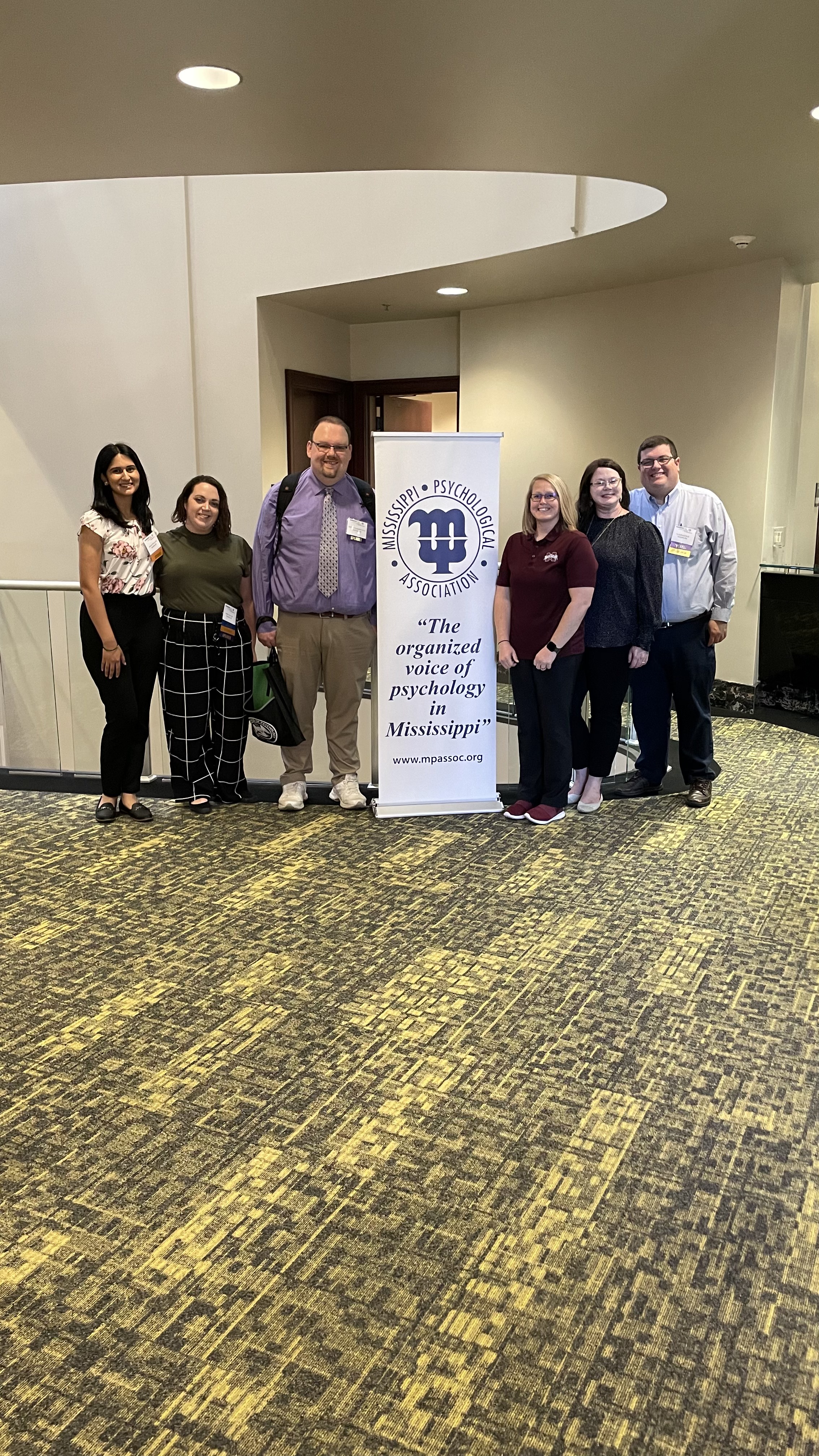
Lab members at Mississippi Psychological Association event

Lab members at the Mississippi Psychological Association annual meeting


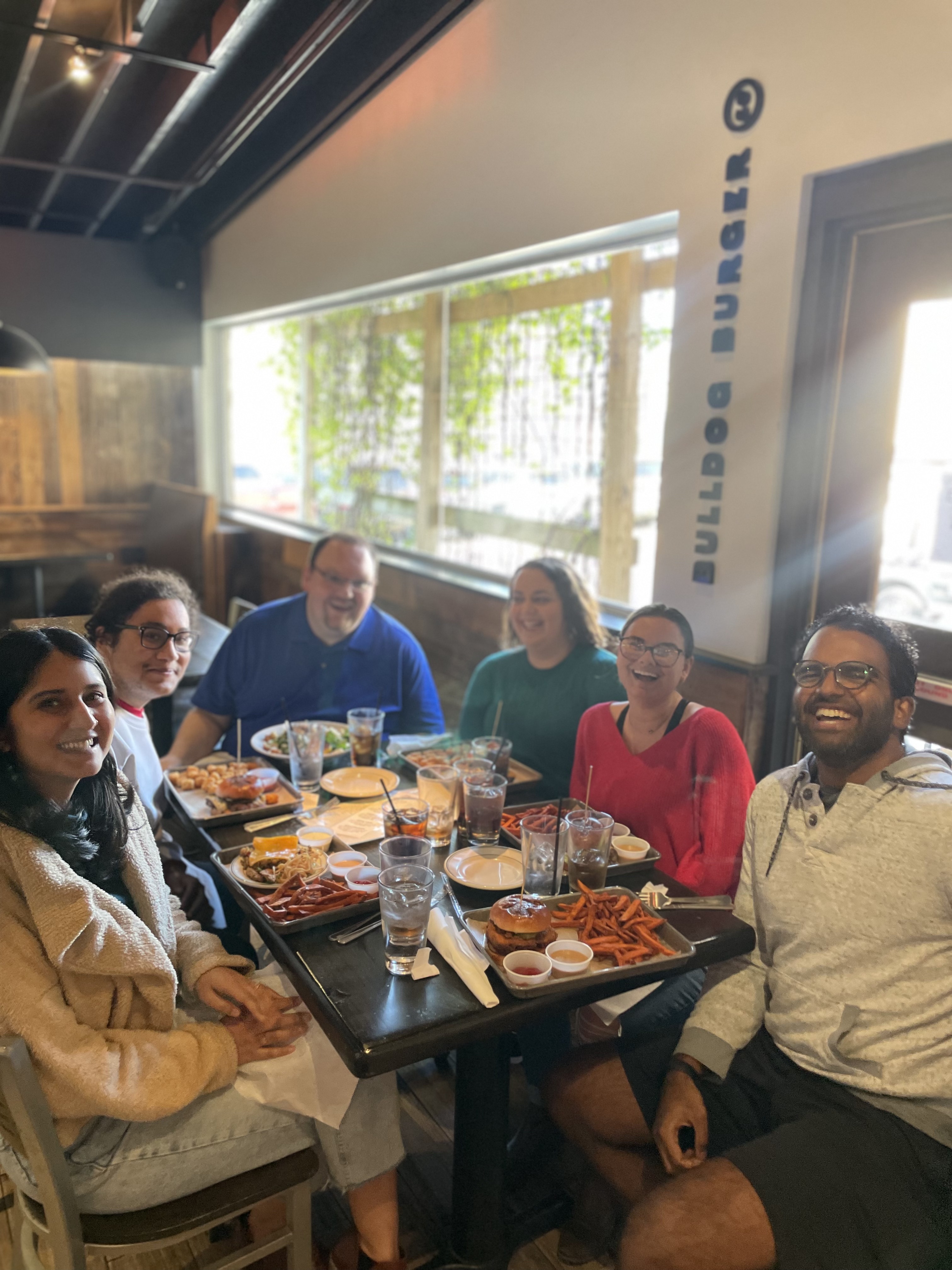
Lab lunch outing at Bulldog Burger

The lab enjoys regular lunches and social outings together

Publication & Funding Record

Graduate and undergraduate student co-authors appear on the majority of my publications, with more than 50 of my 100+ papers carrying a student co-author. Many students have published first-author papers before completing their degree. I also actively support students in seeking their own grant funding through internal awards, the APA, and federal agencies. See the publications page for the full list.

Lab Alumni

Our graduates have gone on to postdoctoral fellowships, VA medical centers, university faculty positions, and leadership roles across the country. We are proud of every one of them.

Courtney (Shea) Golding, Ph.D.
Psychologist, Spectrum Health Sleep Center
Chris Drapeau, Ph.D.
Director of Research & Evaluation, 988 Suicide & Crisis Lifeline
Formerly Assistant Professor, Valparaiso University
Katrina Speed, Ph.D.
Staff Psychologist, Charlie Norwood VA Medical Center
Kristin Tew, Psy.D.
Staff Psychologist, MSU College of Veterinary Medicine
Courtney Bolstad, Ph.D.
Post-Doctoral Fellow, Birmingham VA Medical Center
Nathan Barclay, Ph.D.
Post-Doctoral Fellow, Methodist Hospital, Houston, TX
Courtney Mason, Ph.D.
Clinical Psychologist, Superior Psychological Services, Denver, CO
Ashley Pate, Ph.D.
Post-Doctoral Fellow, New Orleans VA Medical Center
Deepali Dhruve, Ph.D.
Post-Doctoral Fellow, Palo Alto VA Medical Center
Chandler McDaniel, Ph.D.
Post-Doctoral Fellow, Tampa Bay Psychological Associates

Frequently Asked Questions

Are you accepting students for the upcoming admissions cycle?
I am planning to accept a doctoral student for Fall 2027. Admissions decisions can vary by year depending on lab capacity, funding, and program needs, so I strongly encourage prospective students to reach out directly to confirm before investing significant time in an application. Please send a brief email introducing yourself and your interests. I try to respond to all inquiries.
Should I email you before applying?
Yes, I encourage it. A brief, professional email introducing yourself, describing your research interests, and asking whether I'm accepting students is a great way to start. I appreciate emails that show you've read about my work; even briefly mentioning a paper you found interesting goes a long way. Please attach a CV if you have one.
What GPA or GRE scores do I need?
The MSU Clinical Psychology program reviews applications holistically, and GREs are optional at MSU. There is no hard GPA or GRE cutoff. Strong research experience, a clear statement of purpose, and a good fit with a faculty mentor's interests tend to matter more than any single number. That said, competitive applicants typically have a GPA of 3.5 or higher in psychology coursework.
Do I need a master's degree to apply?
No. Our program accepts students with a bachelor's degree, and most of our students enter directly from undergraduate programs or after a year or two of post-baccalaureate research experience. If you have a master's degree, we can discuss how that might affect your timeline.
Is funding available?
Yes. Graduate assistantships include a stipend and full tuition waiver. Students in my lab have also received funding through internal university grants, the American Psychological Association, and other sources. I actively help students identify and apply for additional funding opportunities.
My research interests are related but not a perfect match. Should I still apply?
Probably yes, if you're genuinely interested. My lab's work touches sleep, suicide, aging, anxiety, depression, rural mental health, and community intervention research; there's real breadth here. More than anything, passion matters to me. I want mission-driven students who genuinely want to make a difference in the world through improving mental health, particularly for those who have the greatest need and the hardest time accessing care. I also encourage you to look at other faculty in the MSU Psychology Department, as many do excellent and complementary work.
What is Starkville, MS like?
Starkville is a friendly, mid-size college town built around Mississippi State University. It has a lower cost of living than most college towns, a strong sense of community, good food, and more to do than most people expect. The surrounding area offers opportunities for outdoor activities, and it's within a few hours of Memphis, Nashville, New Orleans, and Birmingham.
How do I apply?
Applications to the MSU Clinical Psychology Ph.D. program are submitted through the university's graduate school application portal. Application materials typically include transcripts, GRE scores (optional), three letters of recommendation, a statement of purpose, and a CV. The application deadline is typically December 1st for the following fall. Visit the MSU Department of Psychology website for current requirements and to confirm the deadline for your cycle.
Ready to Take the Next Step?

Reach out with a brief introduction and your CV. I'm happy to talk about fit, research interests, and what the program looks like day-to-day.

Email Dr. Nadorff Learn About the Lab